

The hidden cost of running a creative business on 15 different platforms, three customer databases and sheer determination.
Somewhere in Australia, a small business owner is paying $79 a month for a platform she forgot she subscribed to, manually transferring customer details between two systems that don't speak to each other, and resetting a password just to change the price of a workshop. She's also the founder, marketing manager, customer service department, bookkeeper, website administrator and unofficial IT support. Essentially, an octopus with an ABN.
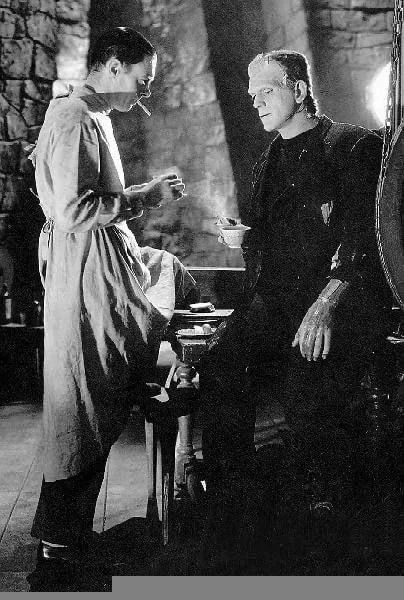
Welcome to the Frankenstein business. A surprisingly common condition among creative entrepreneurs and small business owners who have spent years building something wonderful, only to discover they've also built a monster.
It always starts with a really good idea:
Here's the thing about most creative business owners: they don't start a business because they're passionate about CRM software, email automations or payment gateways. They start because they're brilliant at something. Maybe you're an interior designer who wanted to create beautiful spaces. A ceramicist who turned a creative practice into a thriving business. A homewares retailer who spotted a gap in the market. Or a service-based business owner with an idea for doing things differently.
You had the skills. You had the vision. You probably had a fairly healthy dose of blind optimism. What you didn't necessarily have was a degree in business operations, digital marketing, website development and systems integration. And why would you? But as your business grew, so did the number of things you needed to figure out.
You needed a website. Then an online store. Then a booking system. A mailing list. Perhaps an online course, membership, digital product library or somewhere to host video content. Every time a new opportunity presented itself, you went looking for a solution. Which is exactly what resourceful small business owners do.

The problem isn't that you made bad decisions. It's that you made perfectly reasonable decisions in isolation. Nobody was looking at how the whole business worked together.
There's an app for that. Unfortunately, there's an app for absolutely everything.
Let's say you run a creative studio. You start by selling physical products through your website. Business is good. You build an engaged Instagram following and decide to launch a workshop.
Your website's booking functionality isn't quite right, so you find a dedicated booking platform. Easy.
Then customers start asking for online tutorials. Brilliant! You could create another revenue stream. Except your existing setup doesn't support video streaming, so you sign up for another platform. Then you decide to offer a membership with exclusive content. Your streaming platform doesn't do memberships particularly well, so you find something else. Now you need to manage your members. And send them emails. And deliver digital downloads. And perhaps create a private community.
Before long, you're running an online store, booking software, membership database, streaming service, email marketing platform, community platform and payment processor.
Each one charging a modest monthly fee. Each one solving a legitimate problem. Each one requiring another login, another integration and another little piece of your attention.
Five years later, your business website has become a very expensive signpost pointing customers towards six other websites. You have three customer databases, two email lists and a subscription bill that makes your accountant quietly weep. Want to update an offer? Excellent. You'll just need to change it in four places, update two automated emails, check the payment links and make sure the integration hasn't inexplicably disconnected itself overnight.
It's a business held together by software subscriptions and good intentions. You've become incredibly busy running the systems that were supposed to make running your business easier. And that's where things get expensive.
The real cost isn't the monthly subscription. It's everything happening around it.
When small businesses talk about reducing operating costs, they often focus on the obvious expenses.
Rent. Wages. Materials. Advertising.
But there's another cost that quietly accumulates as businesses grow: the cost of complexity. And I'm not just talking about platform fees. I'm talking about the time spent updating information across multiple systems. The customers who never make it from your Instagram to your booking page because they've been redirected three times. The email list you spent years building but can't properly use because half your customers are sitting in another database. The membership renewals that fail. The duplicated software. The manual workarounds. The missed opportunities to introduce existing customers to other services they might genuinely love.
Then there's the founder's time. That same founder who should be developing new products, nurturing partnerships, looking after customers or doing the creative work that made the business successful in the first place. Instead, she's on hold with tech support. Again.
This is where I think a lot of conversations about small business growth miss the point. We're constantly telling business owners to do more marketing, create more content, expand their offerings and find new revenue streams. What happens when the business behind all that growth isn't designed to support it? More customers won't necessarily fix a business that's leaking time, money and opportunities behind the scenes.
Sometimes all you're doing is sending more people into an unnecessarily complicated system.
A client came to me for social media management. We found a much bigger opportunity.
This is something I've been working through with a client recently, and it's a perfect example of why I believe good marketing strategy needs to look beyond the marketing. She came to me for social media management. To be fair, it's a business that makes my job relatively easy.
She has a fantastic brand. It's distinctive, established and has a clear personality. She's a brilliant founder who creates genuinely engaging video content. She's built a wonderful community around what she does, her services make sense and there are some exciting opportunities on the horizon. From a social media perspective, there's plenty to work with.
But as I started understanding the business, something else became apparent. Behind this really strong brand was a surprisingly complicated collection of platforms, subscriptions and disconnected customer experiences. Different parts of the business were effectively operating in different places.
The community she'd worked so hard to build was fragmented across systems. Certain services were costing more to deliver than they needed to. There were opportunities to improve customer retention and connect existing customers with other offerings that simply weren't being captured.
None of this was because she'd done anything particularly wrong. She'd built a successful business by figuring things out as she went. But the systems that had helped her get to this point weren't necessarily the systems she needed for the next stage.
So yes, we're working on her social media but we're also restructuring the bones of the business. We're looking at how customers move between services, where information lives, how the platforms interact and which systems are actually necessary. We're consolidating where it makes sense, removing unnecessary duplication and creating a more connected customer experience.
And the projected financial impact?
More than $15,000 a year in combined subscription savings and recoverable revenue opportunities.
That's before putting a dollar value on the time she stands to get back. Or the opportunities created by having one connected community rather than several disconnected ones. The best part is that none of this requires her to abandon the business she's built or start again.
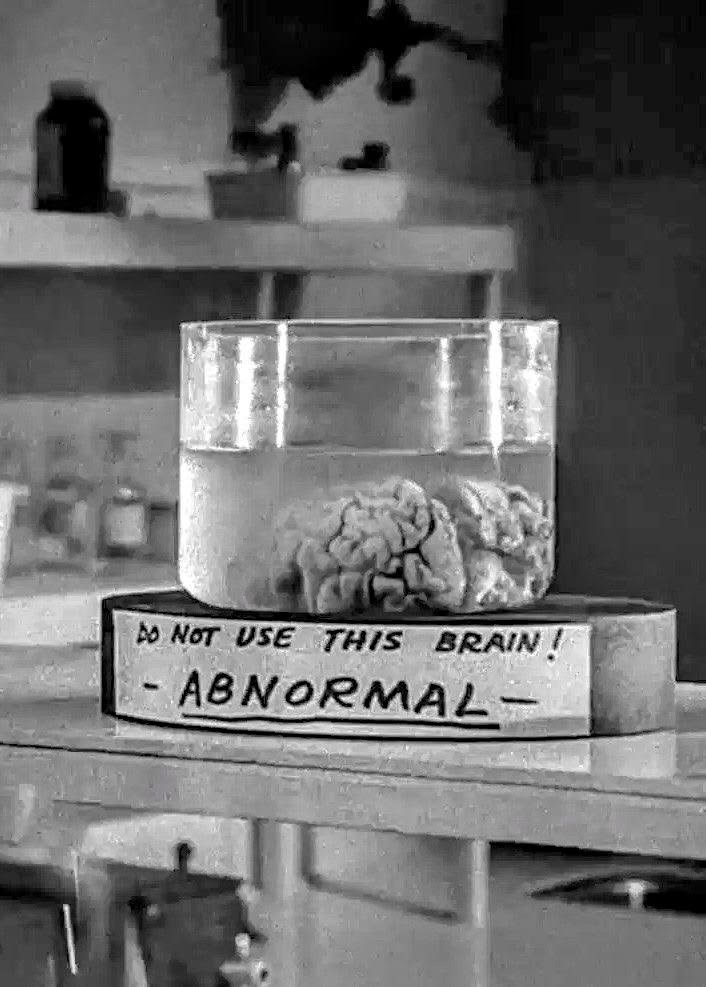
It just requires someone to look at the whole picture.
Sometimes the thing you think your business needs isn't what it actually needs.
One of the things I've learned from spending so much of my career working with small businesses is that very few business challenges exist in isolation.
A client comes to me because they need more enquiries. But perhaps the real issue is that their website doesn't clearly communicate what they do.
Another wants a brand refresh. But as we start talking, it becomes apparent that their business has evolved, their customer has changed and their services no longer reflect where they want to take the business.
Someone else wants help with social media. But their biggest opportunity might be in their existing customer database, their website structure or how they're packaging their services.
This is why I've always been interested in understanding how all the parts of a business fit together. Branding, marketing, websites, customer experience, systems, partnerships and operations aren't separate little worlds. They're different parts of the same business. When they're working together, each one makes the others more effective.
A well-positioned brand makes marketing easier. A clear website makes enquiries easier. A connected customer database makes communication and retention easier. A streamlined business gives its founder more time to do the work that actually creates value.
It's not about being an expert in every piece of software. It's about understanding what the business is trying to achieve, and making sure all the moving parts are working towards it. That's a very different approach from simply delivering whatever was on the original brief.
Before you add another platform to your business, ask yourself a few questions.
I'm not suggesting every small business needs one enormous all-in-one system.
Sometimes specialised platforms are absolutely the right answer. Particularly for creative businesses with unusual products, memberships, courses, bookings or complex customer needs. The goal isn't necessarily fewer tools. It's fewer unnecessary complications.
Before adding another subscription to your business, consider:
Can something I already pay for do this? Many business platforms have evolved significantly. Features you needed separate software for three years ago may now be included in your existing website or customer management system.
Will this connect with my existing customer database? Every disconnected system creates another opportunity for information to be lost, duplicated or overlooked.
What does the customer experience look like? Are customers moving seamlessly between discovering, purchasing and engaging with your business, or are you sending them on a digital treasure hunt?
What is the actual cost? Not just the subscription. Consider payment processing, transaction fees, maintenance, integrations and the hours required to administer everything.
Does this support the business I'm building, or simply solve today's inconvenience? A quick workaround can be useful. But it's worth understanding whether you're creating a longer-term problem.
And perhaps the most important question:
If you were starting your business again tomorrow, would you deliberately build it this way? If the answer is no, it might be time to reconsider a few things.
Your business should work for you. Not the other way around.
There's something I've noticed about creative business owners. They're resourceful to a fault. They'll learn the software, watch the tutorials, build the website, solve the problem and somehow keep everything moving. And that resourcefulness is often exactly what makes them successful.
But somewhere along the journey, being capable of doing everything yourself can become a fairly expensive habit. Because the fact that you can manage 12 different platforms doesn't mean you should. And the fact that your business has always operated a particular way doesn't mean that's still the best way to run it.
Your business changes. Your customers change. Technology changes. Your ambitions change. Your systems and strategy should be allowed to change with them.
For some businesses, growth will mean launching something new. For others, the smartest strategy might be simplifying what already exists. And sometimes, the most valuable thing you can do for your business isn't spending more money on marketing. It's understanding where the money, time and opportunities are already going.
Because being busy keeping your business running is not the same as building a business that runs well. And if you've accidentally created a Frankenstein business, the good news is that you don't necessarily need to burn the whole thing down. You might just need someone who knows how to put the pieces back together.
Cat Gerke is a brand and marketing strategist and founder of Cat Gerke Creative, working with Australian small businesses, creative founders and service-based brands to connect the dots between branding, marketing, websites and business strategy. Because a beautiful business should be a good business, too.