

What Every Interior Designer Should Put on Their Website Portfolio
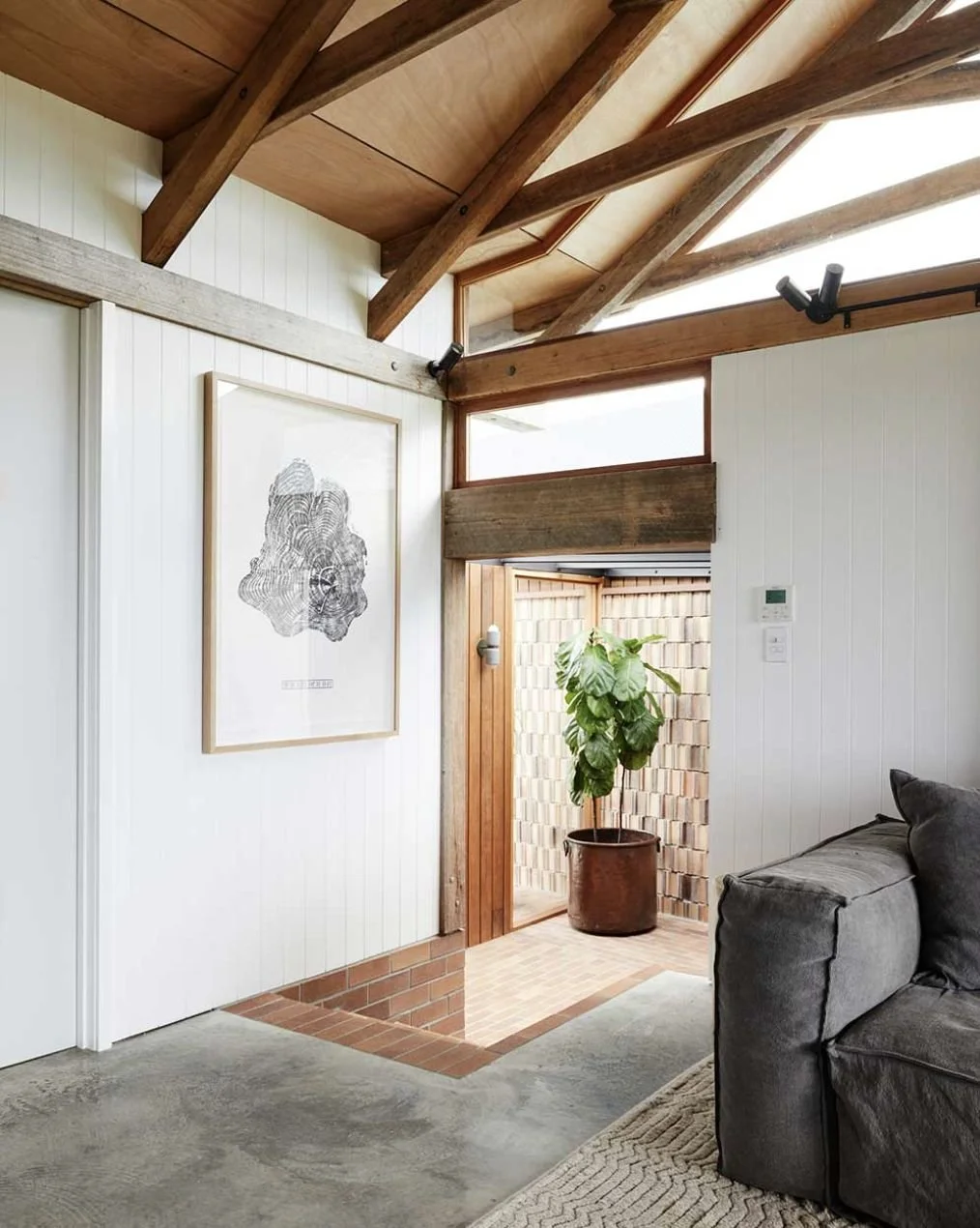
There is a very specific problem I see on interior design websites all the time: the work is beautiful, the photography is beautiful, the projects are beautiful, and somehow, after looking through the portfolio, I still have absolutely no idea what the designer actually did.
Was it a full interior design project? Styling? Furniture selection? A renovation? Did they design the joinery, alter the floor plan, specify every finish and work alongside the builder, or did they come in at the end and choose the furniture? If I’m wondering, your potential client probably is too.
I’ve spent a large part of my career working inside the design industry, including years at The Designory across brand, marketing, content and hundreds of residential projects. One thing that became very clear is that homeowners don’t always understand what goes into creating the finished room they see in a photograph. Why would they? They see the beautiful kitchen. You see twelve months of planning, revisions, joinery drawings, stone selections, lighting decisions, site meetings, budget compromises, samples scattered across a desk and at least one conversation about whether the power point can please, for the love of god, move 40 millimetres.
Your portfolio needs to bridge that gap. An interior design portfolio shouldn’t simply prove that you have good taste. It should help the right client understand what you do, how you think and why they should trust you with their home.
Your portfolio is not just a gallery
This is probably the biggest shift I’d make. A lot of interior design websites treat the portfolio like a digital coffee-table book: beautiful full-bleed photographs, project name underneath, perhaps the suburb if we’re lucky, and then onto the next one.
Lovely, but commercially you’re leaving a huge amount on the table.
Your portfolio is one of the strongest sales tools on your website because it allows a potential client to imagine what working with you might look like. Your services page can tell me you create considered, deeply personal interiors; your portfolio can prove it.
It can show how you approached an awkward floor plan, brought natural light into a dark space, designed storage for a growing family or created cohesion between a heritage home and a contemporary extension. That is much more powerful than another sentence telling me you’re “passionate about creating beautiful spaces”. Respectfully, so is every interior designer on the internet.
Show me what makes your approach different.
Start with the projects you actually want more of
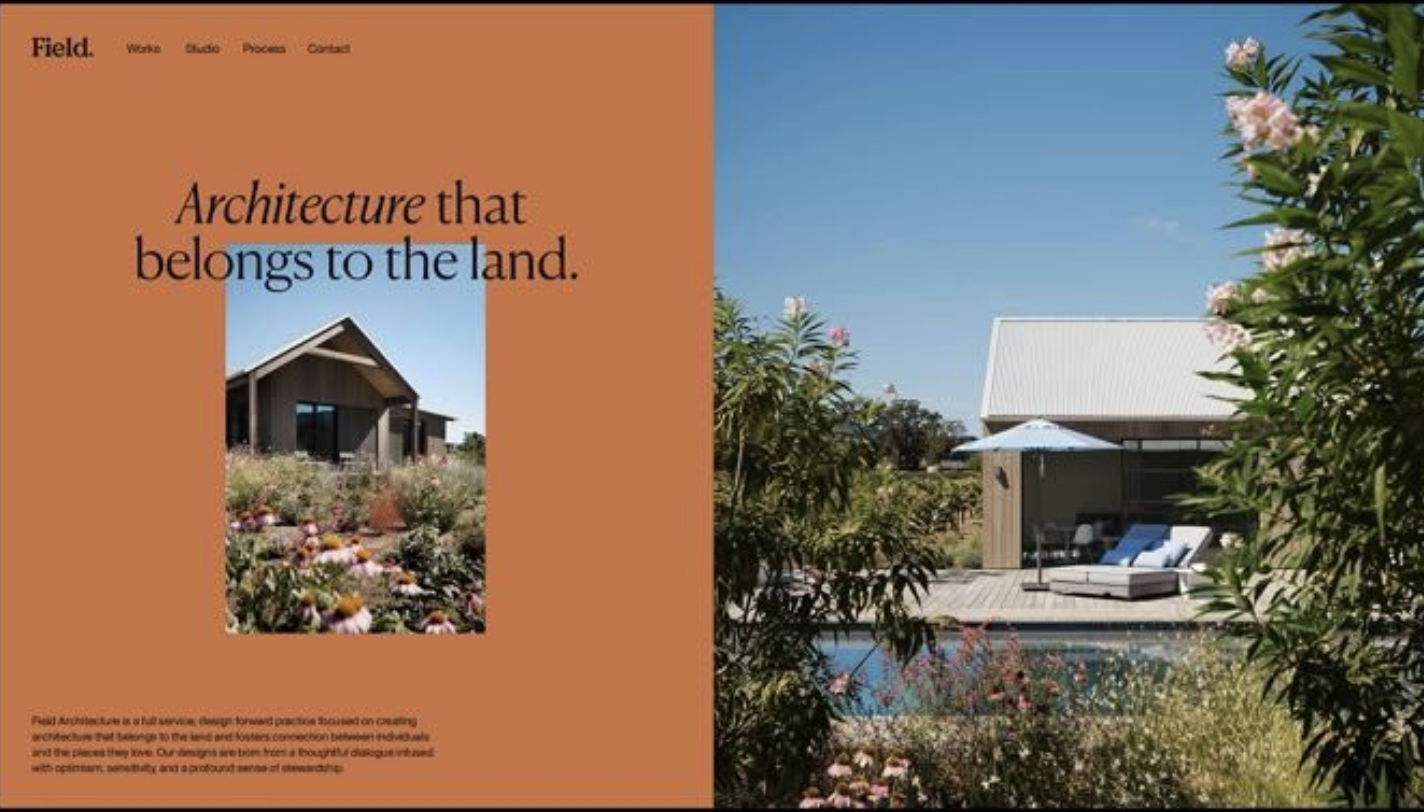
Your portfolio is also a targeting tool. If 70% of it is styling work from five years ago but you now want to win full-home renovations, there’s a problem.
Potential clients assume that what you show is what you do, so before uploading every project you’ve ever photographed, ask yourself: if someone came to me tomorrow asking for more of exactly what they see here, would I want that project?
If the answer is no, it probably doesn’t deserve prime position on the website.
Your portfolio does not need to document the entire history of your business. It needs to support the business you are building now. This is especially important for interior designers who have evolved from smaller decorating jobs into renovation, new-build or higher-value residential work. Your services may have moved on, but if your portfolio hasn’t, your website can keep attracting the client you were trying to find three years ago.
Give each project enough context
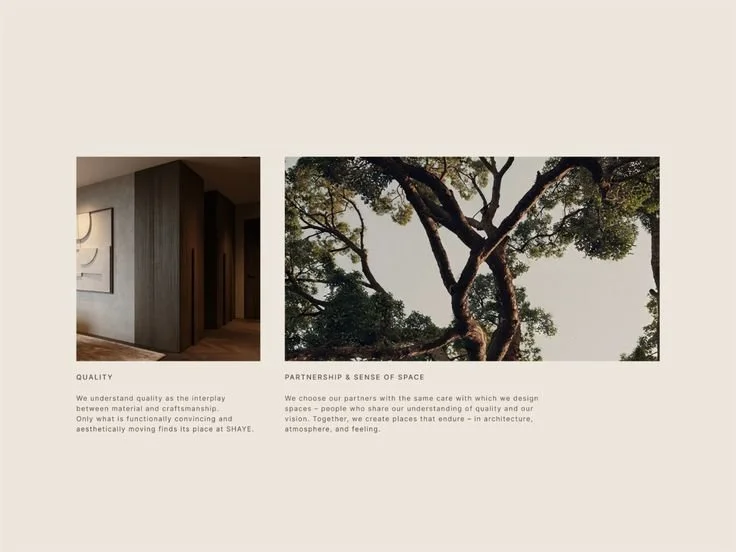
Every project page should begin by telling me enough to understand what I’m looking at. Where is it? What kind of home is it? What was the scope? Who was it designed for? What was the brief? You do not need a 900-word essay before the first photograph. A concise introduction is usually enough.
For example:
A complete renovation of a 1970s coastal home in Byron Bay, designed for a young family wanting better connection between the kitchen, living spaces and garden. Our scope included interior architecture, kitchen and bathroom design, material selections, custom joinery, lighting and furniture. Suddenly I understand far more. And importantly, somebody searching for terms like interior designer Byron Bay, coastal home renovation or kitchen designer Northern Rivers now has useful text for Google to understand too. Beautiful imagery and SEO do not have to be enemies.
Tell me what the problem was
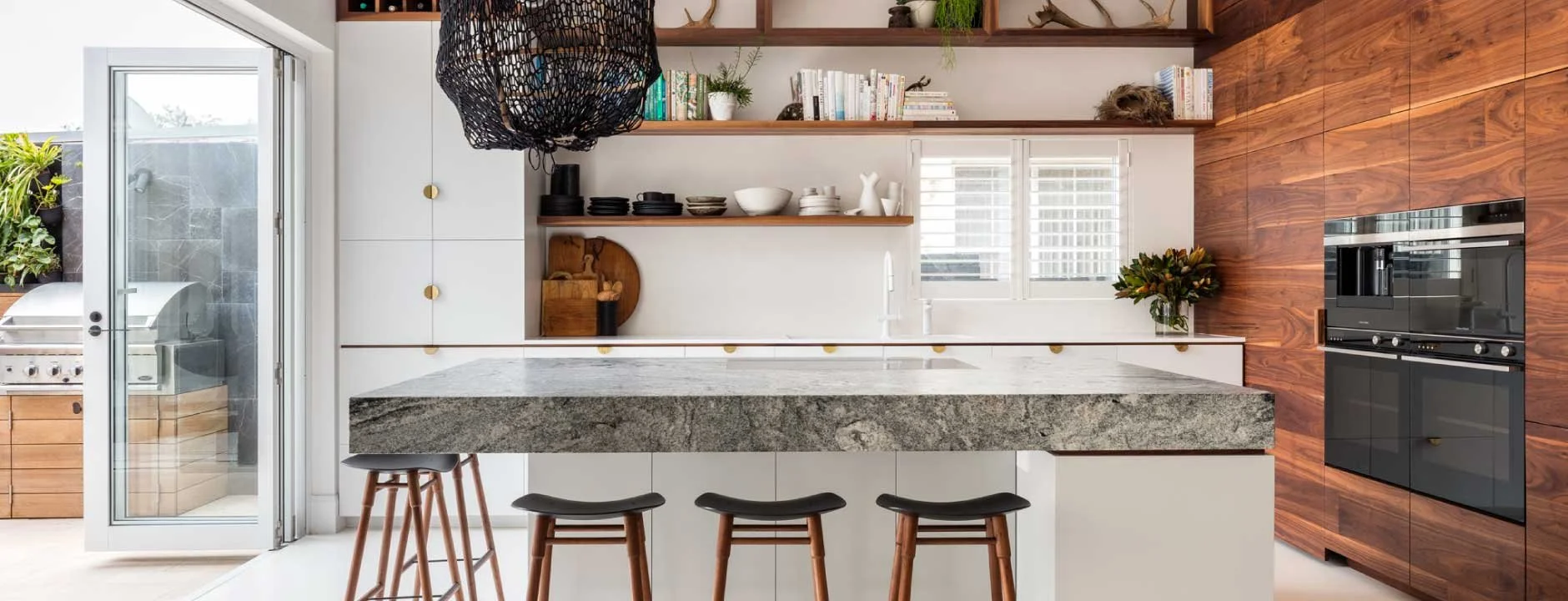
Good design becomes much more impressive when we understand what needed solving. Perhaps the original kitchen was isolated from the living area, the house had very little natural light, the owners needed more storage, the floor plan didn’t suit the way the family lived, or the heritage architecture needed to be retained while introducing contemporary function.
Maybe there was a very tight footprint. Maybe there was a very tight budget. Maybe there was no tight budget whatsoever and you finally got to use the stone you’d been dreaming about for six years.
Whatever it was, give us the brief.
Before-and-after thinking is incredibly persuasive because it moves the project from “look at this pretty room” to “look at what we changed”. That demonstrates expertise, and expertise is what clients are actually hiring.
Explain the design thinking
This is the part interior designers often underestimate. You know why you chose that material. Your potential client doesn’t.
Explain why the kitchen was moved, why you used darker finishes in one area, why a particular material was repeated throughout the house, how the layout responded to orientation, or why custom joinery was the better solution.
You don’t need to turn every project page into a design thesis. Just give us some insight into the decisions.
At The Designory, this was always one of the strongest forms of content because homeowners are fascinated by the why behind a finished space. They might save the photograph because they like the look of it, but the explanation is what teaches them something and builds confidence in the designer behind it.
And that is the part that sells.
Be clear about your scope
Interior design means different things to different people. To one potential client it means choosing furniture. To another it means redesigning the entire interior architecture of a new home.
If your project involved interior architecture, space planning, kitchen design, bathroom design, custom joinery, lighting, finishes, furniture, styling, procurement or project coordination, say so.
You don’t need to turn it into a CV. A simple scope section is enough.
This helps clients understand the depth of your work and also filters enquiries. If somebody is looking for someone to choose three cushions and every project on your site clearly communicates a full-service residential scope, they are more likely to realise you may not be the right fit before asking for a quote.
That is useful. Good marketing is not about attracting absolutely everyone; it is about helping the right people recognise themselves.
Show the whole project, not 34 photographs of one bathroom
Interior photography makes it very tempting to upload every beautiful frame. I understand. You paid for them, they’re gorgeous, and the photographer has captured the tap at 4:37pm in a way you did not know a tap could be captured.
But a strong portfolio needs editing.
I want enough imagery to understand the space and the design story: establishing images, wider room shots, connections between spaces, details, joinery, materials, lighting and moments of texture. Exterior or landscape context can also be useful when it helps explain the project.
Every image should add something. If six photographs communicate essentially the same thing, choose the strongest two.
A tightly edited portfolio generally feels more confident and more premium than a giant image dump.
Show how spaces connect
This is particularly important if you provide full interior design or interior architecture services.
A homeowner may arrive because they love the kitchen, but one of the biggest differences between decorating a room and designing a home is cohesion. Show the kitchen looking towards the dining space, the transition from living to outdoors, the way a material palette continues into the bathroom, or how joinery language is repeated throughout the house.
That tells me you think beyond individual moments. For clients investing in a substantial renovation or new build, that matters.
Include the unsexy things
Some of your most commercially valuable work is not necessarily the thing that gets the most saves on Instagram.
Storage. A clever pantry. A beautifully resolved appliance cupboard. Wardrobes. Lighting. A laundry that actually works. Power-point placement. A hidden bin. A joinery detail that solves an awkward corner. A bathroom layout that gives someone privacy without covering the room in glass.
These things show potential clients that you understand how people actually live.
Interior design is not just the art of making something photograph well. It is making it work on a Tuesday morning when three people are trying to get out the door.
Show both.
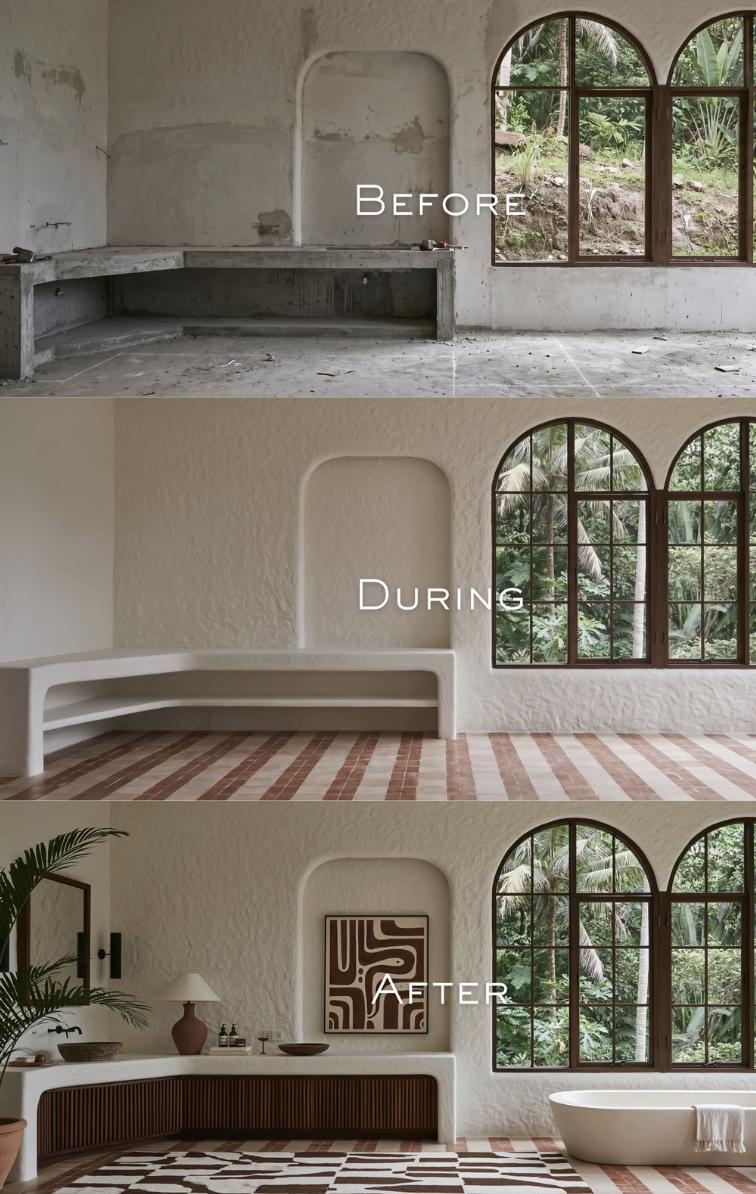
Before and afters are incredibly useful
Interior designers sometimes hesitate to use before images because, quite frankly, the before image can be hideous.
Perfect. That’s the point.
You don’t need it to be beautiful. You need it to establish transformation. If you moved walls, changed orientation, opened up the floor plan, altered circulation or completely transformed a dated interior, one before image or an original floor plan can make the finished result exponentially more impressive.
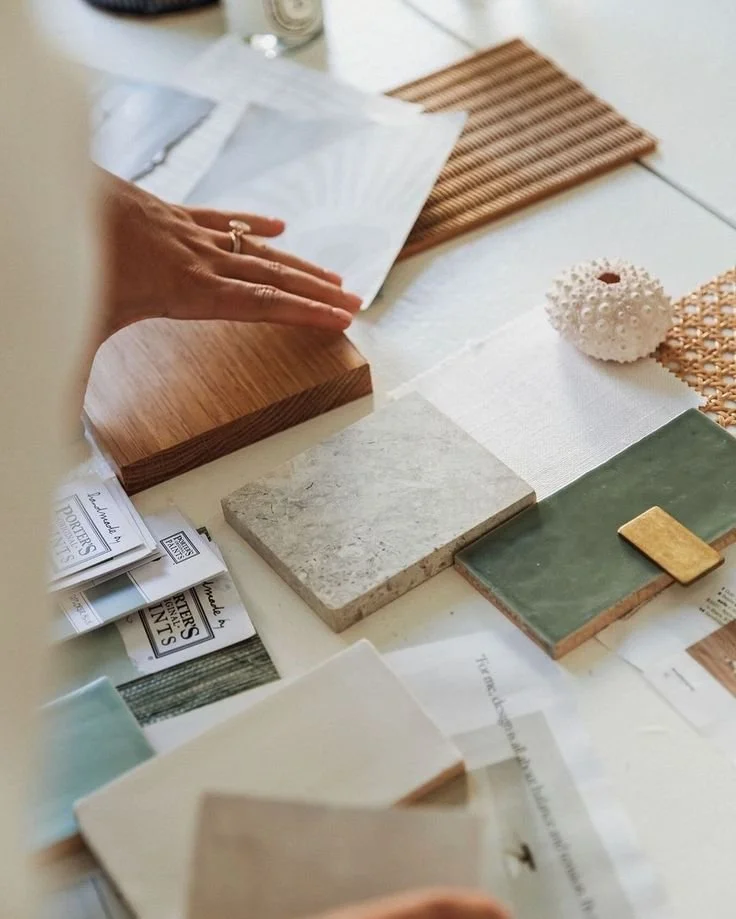
If you have drawings, moodboards or material palettes that add to the story, these can work too. Again, don’t turn it into an architectural submission. Just give people a glimpse behind the curtain.
Credit the team
Good residential projects rarely happen because one person floated into the room and manifested everything independently. Architects, builders, building designers, landscape designers, joiners, photographers, stylists, artists, suppliers and trades all contribute to the final result.
Credit them.
Apart from being the right thing to do, it also strengthens relationships within the industry and creates natural opportunities for backlinks and cross-promotion. This is something I’ve believed in for years: aligned businesses can help build each other.
If you feature a builder properly, they have a reason to share the project. The photographer can link to it. The architect may feature it. The stone supplier might include it in a case study.
Collaboration is marketing, and design projects happen to give you an enormous number of genuine collaborators.
Put the location on the page
This is a very simple SEO opportunity that interior designers miss constantly.
If you work geographically, say where the project is. Think Paddington Terrace — Sydney, Byron Bay Beach House, Northern Rivers Farmhouse Renovation or Melbourne Victorian Interior.
It helps potential clients see where you work and gives search engines useful context around your geographical relevance.
Then use the project description naturally to mention the location, project type and services. Do not write something horrifying like, “As a Byron Bay interior designer providing Byron Bay interior design services in Byron Bay…”
Google is smarter than that.
And humans have feelings.
Include testimonials within the project
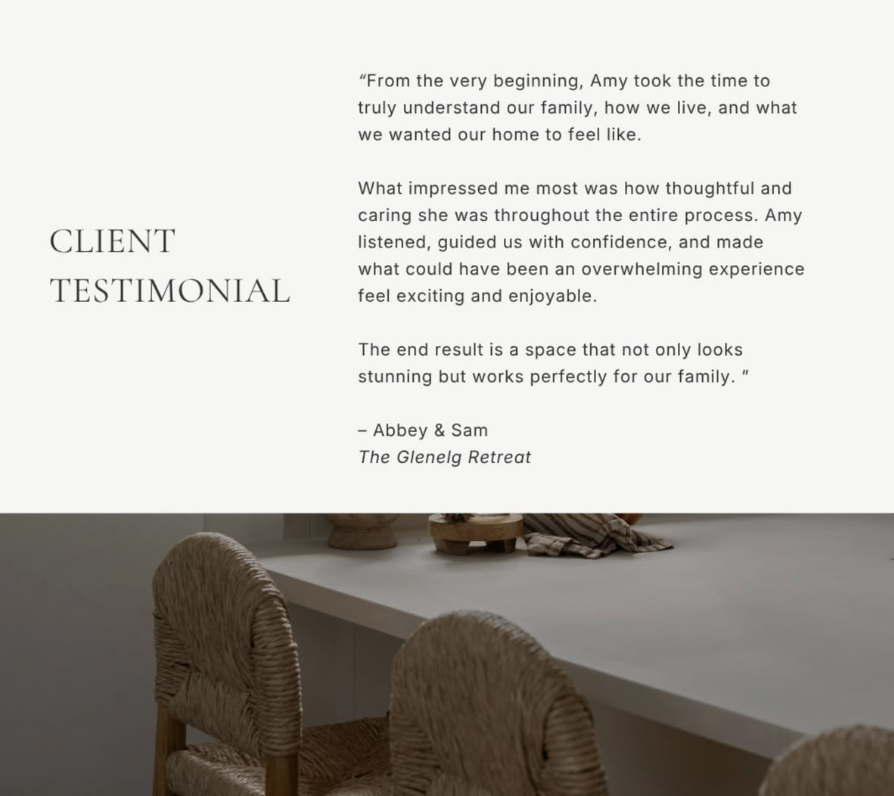
A generic testimonials page is fine, but a testimonial becomes much more persuasive when it sits beside the work it relates to.
The client is looking at the finished house and then reads something like:
“She completely understood how we wanted to live and solved things we hadn’t even realised were going to be problems.”
Now the proof has context.
Even better if the testimonial talks about the experience of working with you. Was the process organised? Did you make decision-making easier? Did you help resolve issues with the builder? Did the client feel heard? Were you good at balancing budget and ambition?
Beautiful images prove taste. Testimonials prove the experience. Potential clients care about both.
Tell me the result
The end of a case study should not simply be the final photograph.
What changed for the client? Did the family start using parts of the house they previously ignored? Does entertaining work better? Did the new layout bring in more light? Was storage dramatically improved? Did the project create better connection to the garden? Did the owners finally get the calm home they wanted?
This is where interior designers can move beyond describing finishes and start talking about outcomes.
Because clients do not really want Calacatta Viola.
They want the feeling they believe that kitchen is going to give them.
The stone is simply helping us get there.
Include a clear next step
This sounds basic, but portfolio pages often just... end.
Beautiful bathroom. Beautiful bedroom. Footer.
Okay, goodbye then.
Someone who has just spent five minutes looking through a project and thinking “I want my house to feel like this” is an extremely warm potential client. Give them somewhere to go.
That might be a link to your Interior Design Services, an invitation to enquire about a similar project, or another relevant case study. Just don’t make them rediscover your navigation menu because they’ve reached the bottom of the page.
Your portfolio should help clients qualify themselves
This is probably the biggest commercial point.
The best interior design website portfolios do more than attract attention. They quietly answer: is this the kind of work you do? Do you work on projects like mine? Are you operating at the level I’m looking for? Do I like the way you think? Can I imagine working with you?
By the time somebody reaches your enquiry form, I want as many of those answers as possible to already be yes.
That usually creates better enquiries. Not necessarily more enquiries — better ones.
And I would choose ten excellent-fit project enquiries over fifty people asking whether you can “just quickly help with the lounge room” any day.
A simple portfolio structure that works
If I were building an interior designer’s project page, I’d include:
A strong project title and location
A concise overview of the home and client brief
Your project scope
Strong, professionally edited photography
The original design challenge
Key design decisions and the thinking behind them
Details showing function as well as aesthetics
Before imagery, plans or process material where useful
Credits for collaborators
A relevant client testimonial
A short explanation of the finished result
A clear call to action into your services or enquiry page
That is enough to turn a portfolio from a gallery of things you’ve made into evidence of how you work.
And please don’t wait until every project is perfect
I know how the design industry works. There is always another project waiting to be photographed. The styling isn’t finished, the client changed the rug, the garden hasn’t grown in, the photographer can’t come for two months, the dog ate the cushion.
Something.
Don’t let the pursuit of a perfect portfolio stop you showing good work.
Start with the strongest projects you have, write proper case studies for them, improve the imagery as new shoots happen and build the portfolio over time.
Your website is not a printed book. It is allowed to evolve with the business.
Your portfolio should sell more than your style
A homeowner may first arrive because they love the look of your work. Your portfolio should give them a reason to stay because they understand the thinking behind it.
Show the beautiful things, obviously, but also show the planning, decisions, solutions, collaboration and expertise that created them.
Because that is the difference between someone thinking, “What a beautiful house,” and “I want this designer to help me with mine.”
Commercially, that second sentence is the one we’re after.
Need your interior design website to work harder?
At Cat Gerke Creative, I work with interior designers, building designers and creative studios on branding, website design, positioning, content and marketing.
Having spent years inside the design industry myself, I understand that your website needs to do more than showcase beautiful projects. It needs to communicate the depth of the work behind them and help the right clients understand why they should choose you.
If your portfolio looks beautiful but isn’t generating the calibre of enquiry you want, let’s look at what it’s actually communicating.